Dialects in sales: When they strengthen deals and when they don't
Discovery, yes; negotiation, maybe not: When regional dialects help in B2B sales and when clarity is more important.

Many sales teams treat dialects like a risk that needs to be managed. Yet the real question lies elsewhere: not whether a dialect is spoken, but when it works and when it gets in the way. Kickscale has taken a closer look at this using conversation data from Germany and Austria, and the result is clearer than expected.
Trust is what matters, not standard German
In B2B sales, the early phases are primarily about whether someone is being real. Being honest. If you want to uncover a prospect's true pain points, you don't need perfect, formal German—you need a connection. Dialects can achieve exactly that because they signal an authenticity that cannot be faked.
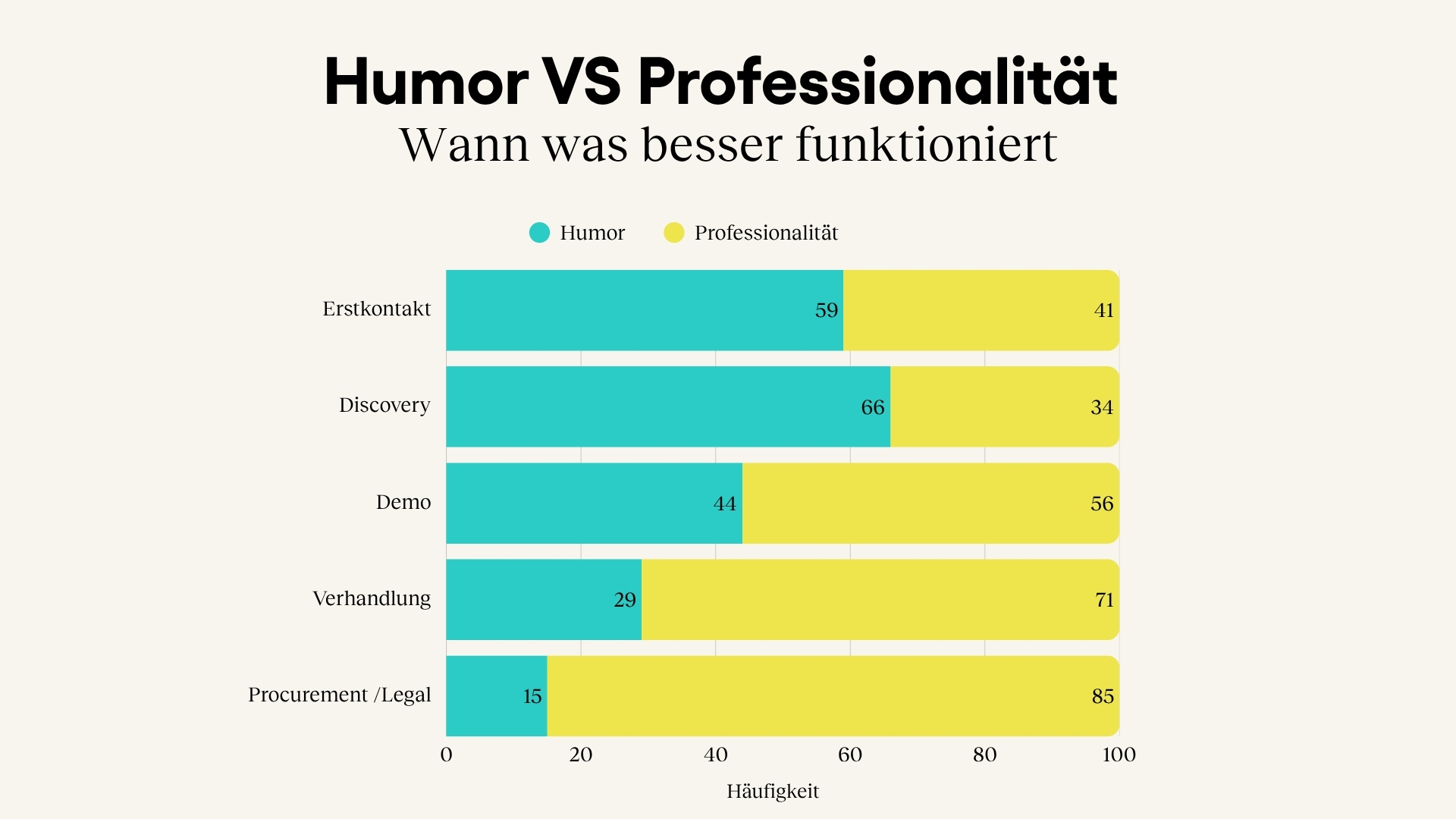
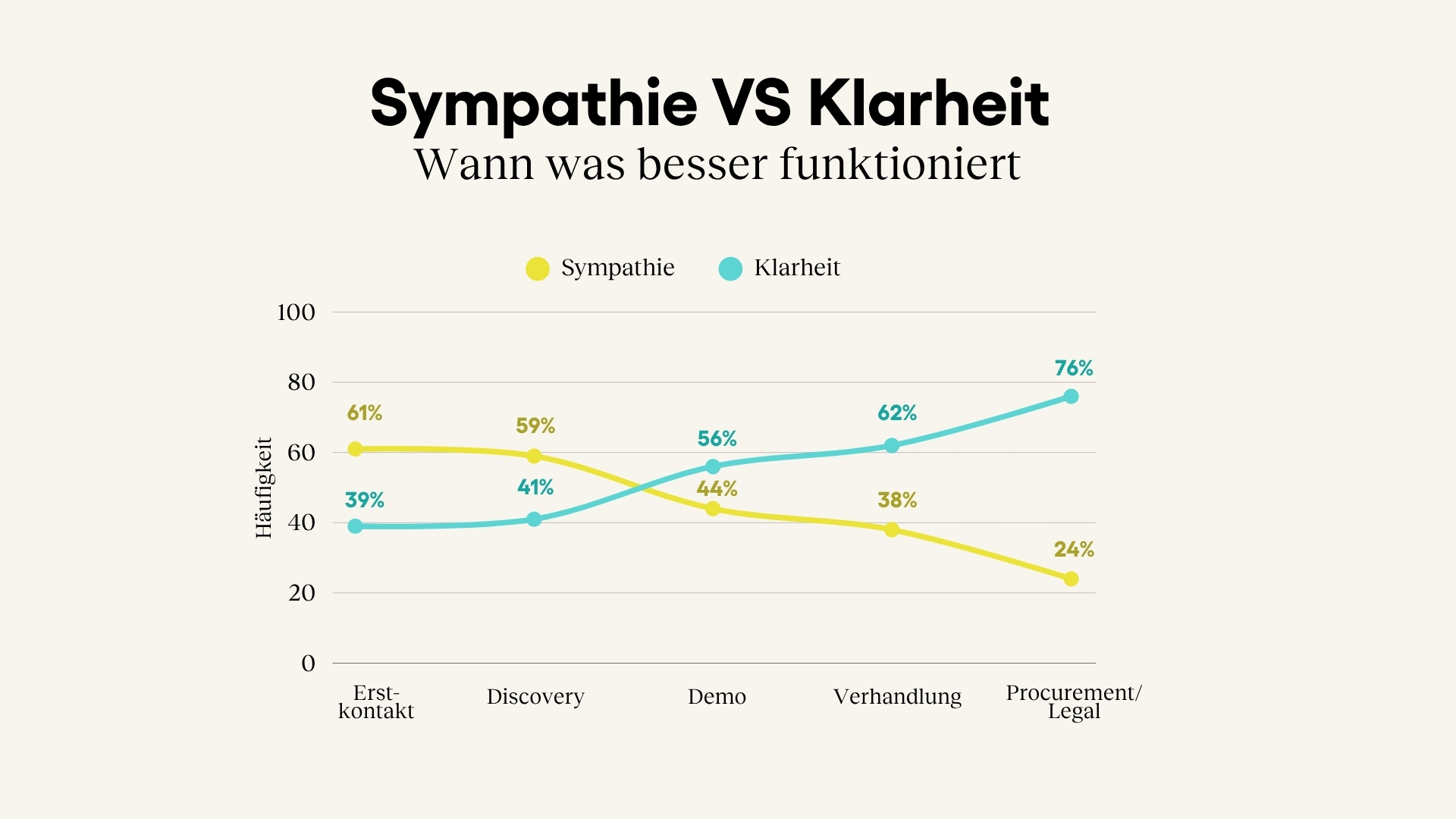
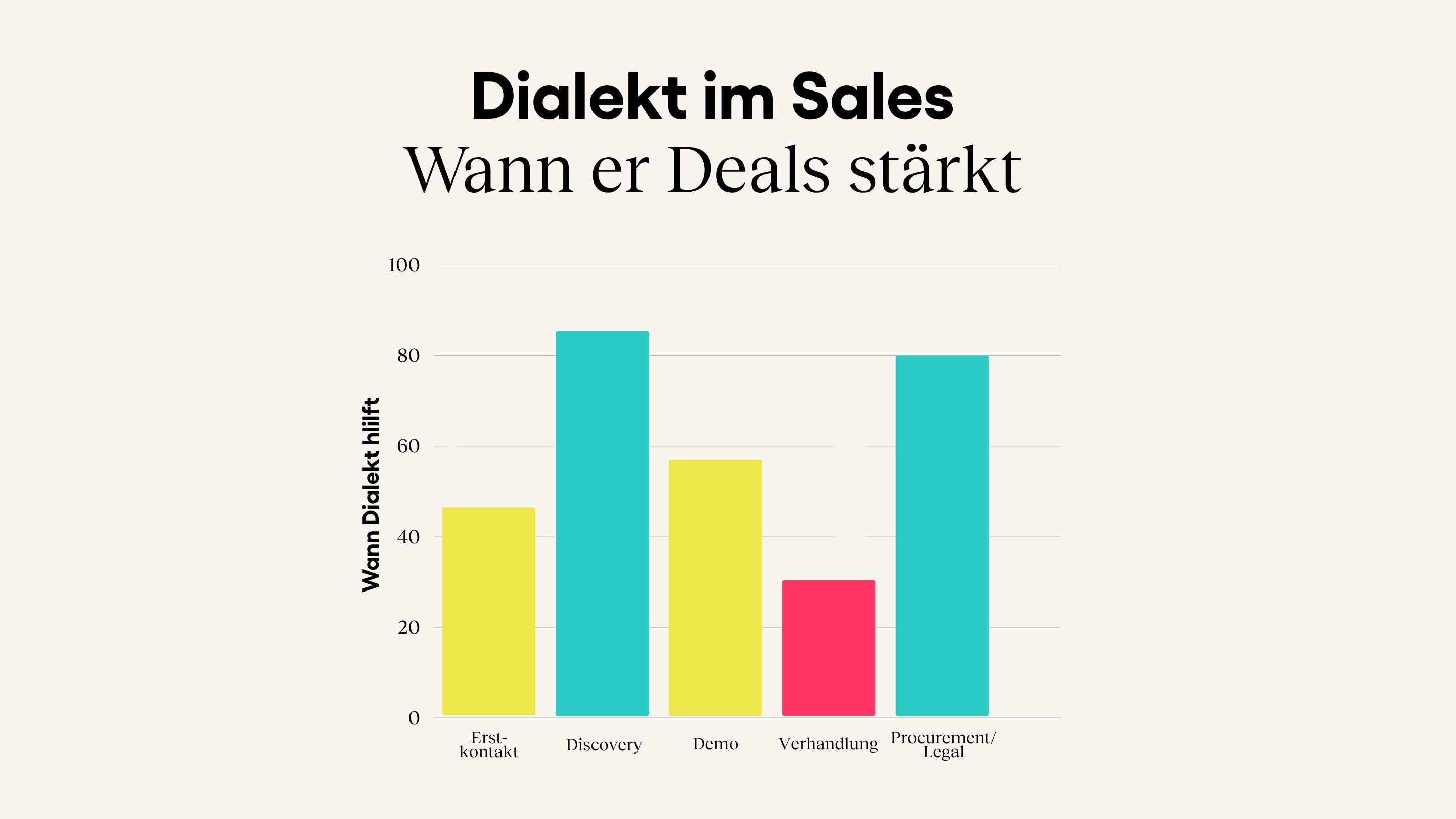
This is particularly evident in discovery. With a score of 85 compared to other phases, discovery is the phase where dialects are most effective. Prospects open up faster when the person they are talking to doesn't sound like a corporate brochure. The same applies to customer success: long-term relationships thrive on continuity and familiarity, and a regionally colored speaking style contributes to that.

The phase determines the scope
Demo calls fall in the middle. A pleasant tone can build rapport and make listening easier. However, if the explanation of product logic is dominated by regional expressions, friction arises. Complex concepts require precision, and precision requires clear language.
It’s a different story for procurement and legal. Here, what matters most is that both sides understand the same thing. Misunderstandings regarding contract terms, deliverables, or timelines don't stem from a lack of rapport, but from a lack of clarity. The procurement score of 80 in the chart doesn't mean that dialects are unwelcome there, but rather that structured clarity is simply more important in this phase than regional familiarity.
And then there is the initial contact, which, with a score of 47, is the weakest phase for dialects. During the first call, you don't yet know where the other person stands. Too much regionality can create distance here before a connection has even been established.
As regional as necessary, as clear as possible
The rule that emerges from the data is quite simple: use dialects according to what the phase requires. In discovery and customer success, feel free to let it flow. In demo calls, a conscious balance helps. In negotiations and procurement, clarity takes center stage.
What never works is a forced dialect. Anyone who imitates one to simulate closeness will achieve the opposite. Prospects can sense the difference between someone who speaks that way naturally and someone who sounds like they are playing a role. Authenticity cannot be scripted.
What this means for sales teams
Dialects are not a quality issue or a coaching topic in the sense of "please stop doing that." Anyone from the DACH region who sounds regional brings a strength that makes a real difference in the right moments. The goal of coaching is not uniformity, but awareness: When does my speaking style open doors, and when does it close them?
AI-powered conversation analysis can help make exactly that visible. Not as a judgment on origin or pronunciation, but as an indicator of conversation flow—of moments when the other person becomes hesitant or opens up. That is the difference between a gut feeling and truly actionable conversation intelligence.




Your sales team deserves clarity instead of guessing games
With our AI revenue intelligence platform, we help innovative sales teams make better decisions and close more deals.
More insights from the Research Hub
Latest benchmarks and studies for data-driven revenue teams.