Sales Automation Software: The 7 Best Tools for B2B Sales Teams in 2026

Many sales teams automate follow-ups via email sequences, fill in CRM fields using workflows, and calculate lead scores with a third tool. The result is three data points without a common foundation, no reliable forecast, and continued manual rework. Sales automation software solves this as an end-to-end system—from conversation capture to forecasting—rather than through additional isolated functions.
How do I choose sales automation software?
When selecting software for sales automation, it is essential that the tool reliably contributes to your sales goals. Since it integrates deeply with your pipeline, conversation, and CRM data, you can use the following 8 criteria to help you decide:
- Automated CRM synchronization: Information such as budgets, timelines, or contact persons is automatically transferred to the corresponding fields in systems like HubSpot, Salesforce, or Pipedrive, eliminating manual data entry.
- Conversation Intelligence: Some platforms do more than just trigger workflows; they analyze conversation content and derive structured sales data from it. This includes objections, buying signals, and missing qualification information.
- Support for sales frameworks: The system automatically detects which information is still missing according to frameworks like MEDDIC, BANT, or SPICED and flags it directly in the CRM.
- Forecasting: Revenue projections based on real interaction data (e.g., decision-maker involvement, call frequency) rather than subjective rep assessments.
- GDPR and server location: For companies in the DACH region: Ensure data is processed on servers within the EU. US providers often work with Standard Contractual Clauses (SCCs); additionally, a Transfer Impact Assessment and supplementary measures may be required. Also, check how your provider implements the requirements of the EU AI Act.
- Recognition of dialects and industry jargon: Relevant for German-speaking teams if conversations are held in regional dialects (e.g., Swiss German, Bavarian) or if industry-specific terminology needs to be reliably recognized.
- Transparency of outputs: Clear, actionable insights are more valuable than complex dashboards that sales reps don't use in their daily work.
- Implementation effort: Tools with native integration can be rolled out much faster than platforms requiring long implementation projects. Check whether or not your team needs IT resources for setup.
7 Sales Automation Software Platforms Compared
Kickscale
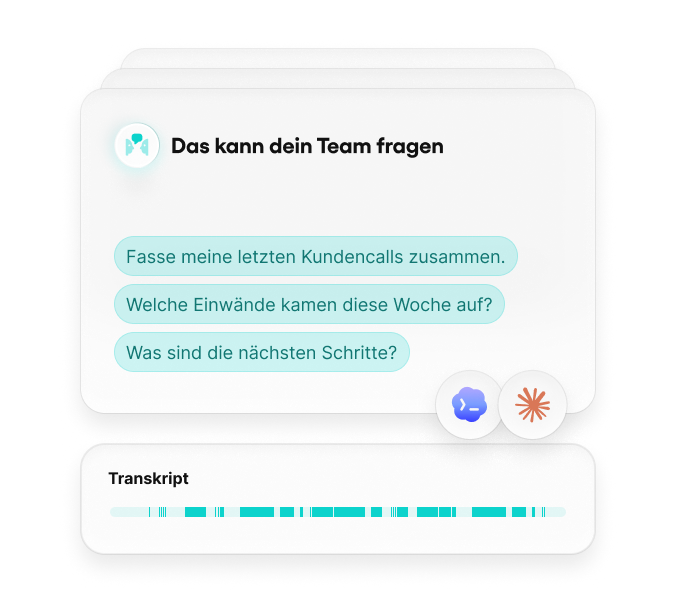
Kickscale ist eine europäische Revenue-Intelligence-Software mit Sitz in Österreich. Die Plattform erfasst Kundengespräche automatisch, strukturiert deren Inhalte und überträgt die gewonnenen Informationen direkt in das CRM. Die Vertriebsautomatisierung basiert bei Kickscale auf Gesprächsdaten als Quelle, nicht auf manuell konfigurierten Workflow-Regeln.
-
AI Sales Notetaker: Automatische Aufzeichnung, Transkription und Zusammenfassung von Video-Calls, Telefonaten und persönlichen Gesprächen, ergänzt durch eine mobile App für den Außendienst.
-
CRM-Automation: Informationen aus Meetings, etwa zu Budget, Zeitplan und Entscheidern, werden strukturiert in Felder von HubSpot, Salesforce, Pipedrive oder Zoho übertragen, ohne manuelle Dateneingabe.
-
Conversation Intelligence: Analyse von Gesprächsinhalten auf Einwände, Kaufsignale und Qualifizierungslücken nach Frameworks wie MEDDIC, BANT oder SPICED.
-
Deal Intelligence & Forecasting: Abschlusswahrscheinlichkeiten werden auf Basis realer Gesprächsaktivitäten bewertet, nicht auf Basis subjektiver Rep-Einschätzungen.
-
AI Sales Coaching: Automatisches, gesprächsbasiertes Feedback für Sales Reps direkt nach dem Call, abgeleitet aus erkannten Gesprächsmustern.
-
DSGVO & EU-Hosting: Serverstandort in Deutschland, ISO-27001-zertifiziert, kein KI-Training mit Kundendaten.
.avif)
Assistant & Coach: 49 € pro Nutzer/Monat (kein Seat-Minimum), inkl. AI Notetaker, Sales Coaching und CRM-Integration.
Revenue Intelligence: 89 € pro Nutzer/Monat (ab 10 Seats), inkl. KI-Forecasting, Deal Intelligence und Pipeline Visibility.
Enterprise: Preis auf Anfrage (ab 30 Seats), inkl. Custom Integrations und dediziertem Customer Success Manager.
50 Meetings lassen sich kostenlos testen, ohne Kreditkarte und ohne Sales-Interaktion.
2 HubSpot Sales Hub
HubSpot is a US-based provider with a strong presence in the DACH market. The Sales Hub combines a comprehensive CRM with rule-based workflow automation and email sequencing. For GDPR-relevant deployments, HubSpot offers an EU hosting option.
- Workflow automation: Rule-based triggers automatically initiate tasks, emails, or notifications when deal stages change or contacts perform specific actions.
- Email sequences: Automated follow-up chains based on contact activity, configurable without technical knowledge.
- Deal stage automation: Deal stages update automatically when predefined conditions are met.
- AI-powered deal probability: Calculation of the win probability for individual opportunities based on historical CRM data.
HubSpot Sales Hub pricing (as of May 2026):
- Free: free for up to 2 users, with basic features for pipelines and contacts
- Starter: from €20 per user/month; check for potential discounts with annual billing
- Professional: from €90 per user/month (billed annually) or €100 (billed monthly), incl. sequences, advanced automation, conversation intelligence, and forecasting; one-time onboarding fee of €1,470 required
- Enterprise: from €150 per user/month, incl. call transcripts, conversation intelligence, deal journey analytics, and pipeline approvals; one-time onboarding fee of €3,420 required
3 Pipedrive
Pipedrive is a European provider based in Estonia, primarily targeting small and medium-sized B2B teams. In addition to a visual pipeline view, the platform offers an automation builder for rule-based triggers. Data is processed on EU infrastructure.
- Automation builder: Tasks, status changes, and email sending are automated via trigger logic, such as when a deal stage changes or an email is opened.
- Email sequences: Follow-up sequences for deals and leads with manual or automated steps, available from the Growth plan onwards.
- Email sync: Incoming and outgoing emails are automatically logged in the contact's CRM record.
- AI Sales Assistant: Assists with questions about CRM data, summarizes content, and helps with sales-related workflows.
Pipedrive pricing (as of May 2026):
- Lite: €14 per user/month (billed annually)
- Growth: €39 per user/month, incl. email sequences, automations, and forecast reports
- Premium: €59 per user/month, incl. lead generation, custom scoring, and advanced customizations
- Ultimate: €79 per user/month, incl. enhanced account security, contact enrichment, and sandbox account
All plans include a free 14-day trial with no credit card required.
4 Salesforce Sales Cloud
Salesforce is a US-based provider with one of the largest enterprise CRM ecosystems in the world. The Sales Cloud offers rule-based automation via the Flow Builder as well as AI-powered features through Einstein and Agentforce. EU datacenter options are available. Data residency can be contractually defined.
- Flow Builder: A visual automation tool for creating complex, multi-stage sales workflows without the need for coding.
- Einstein Activity Capture: Automatically synchronizes emails and calendar events with the corresponding CRM record.
- Agentforce: AI agents create call summaries, generate email drafts, and automatically update CRM fields after meetings.
- Lead Routing: New leads are automatically assigned to the responsible sales rep based on defined rules.
Salesforce Sales Cloud pricing (as of May 2026):
- Starter Suite: €25 per user/month (billed monthly or annually), includes lead, contact, and opportunity management as well as integrated email synchronization
- Pro Suite: €100 per user/month (billed annually), includes quote generation, forecasting, and AppExchange access
- Enterprise: €175 per user/month (billed annually), includes advanced pipeline management, conversation analysis, and Agentforce
- Unlimited: €350 per user/month (billed annually), includes predictive AI, conversation intelligence, and the Premier Success Plan
- Agentforce 1 for Sales: €550 per user/month (billed annually), includes the full AI suite, Salesforce Maps, Tableau Next, and Slack Enterprise+
Agentforce is included starting with the Enterprise plan. For lower editions, it can be added as an add-on starting at €125 per user/month.
5 dealcode AI
dealcode AI is a German company based in Hamburg that positions itself as a sales automation platform for B2B outbound processes. Its focus is on automating lead identification, data enrichment, and personalized initial outreach. According to the provider, systems are primarily hosted within the EU. The provider claims GDPR compliance.
- AI Lead Search: Automated identification of target contacts based on defined criteria such as industry, company size, and job title.
- AI Lead Enrichment: Contact details (email, phone, LinkedIn) are automatically enriched and kept up to date.
- AI Smart Outreach: Personalized outreach via email and LinkedIn is automatically created and sent based on enriched contact data.
- CRM Sync: Integration with HubSpot and Pipedrive via Zapier starting from the Pro plan; a free sales CRM is integrated into the product.
dealcode AI pricing (as of May 2026):
- dealcode CRM: free (self-service), includes CRM, 25 AI tokens (one-time), and up to 1,000 LinkedIn profile views/day
- dealcode AI Start: from €29 per month (self-service, 1-month minimum term), 150 AI tokens/month
- dealcode AI Pro: from €1,039 per month (12-month minimum term), 50,000 AI tokens/year, includes Smart Outreach, CRM sync via Zapier, and AI inbox agent
- dealcode AI Premium: from €2,990 per month (full-service, 12-month minimum term), includes active lead sourcing, inbox management, email campaign setup, A/B testing, and monthly performance checks by dealcode
6 Salesloft
Salesloft is a US-based provider of sales engagement software that combines outreach automation with pipeline management and conversation intelligence. Since merging with Clari in December 2025, Salesloft is part of a joint company but continues to operate as an independent platform in the market. International data transfers may occur with Salesloft. Standard Contractual Clauses (SCCs) are available for European customers.
- Cadence Automation: Multi-stage outreach sequences via email, phone, and social media, triggered by contact responses.
- Rhythm Engine: AI automatically prioritizes each rep's daily tasks based on deal probability and buyer signals.
- Conversation Intelligence: Conversations are automatically analyzed, with missing qualification information and notable conversation moments highlighted.
- CRM Sync: Bidirectional integration with Salesforce and other CRM systems; activities and deal updates are synchronized automatically.
Salesloft pricing (as of May 2026):
Salesloft does not publish list prices. The platform is available in two packages:
- Advanced: Workflows, engagement analytics, conversation intelligence, and opportunity management
- Elite: Advanced customization options and multi-org management
Additional add-ons available: Account Agents (automated lead research) and Forecast (revenue forecasting). Prices and demos are available upon request.
7 Outreach
Outreach is a US-based provider that positions itself as a sales execution platform, consolidating sequencing, deal intelligence, and forecasting into a single interface. The platform is designed for revenue teams, sales leadership, and revenue operations. EU Data Tenancy is available according to the provider. SCCs are available for European customers.
- Sequences: Automated, multi-stage email, phone, and LinkedIn campaigns, triggered by contact activity.
- Kaia AI: Real-time AI conversation assistance during calls, providing cues and battlecards directly on the rep's screen.
- Deal Intelligence: Opportunities are automatically scored and prioritized based on activity and conversation data.
- CRM Integration: Bidirectional connection to Salesforce and HubSpot; activities and deal updates are synchronized automatically.
Outreach pricing (as of May 2026):
Outreach does not publish list prices. The pricing model combines user-based license fees with consumption-based billing via AI credits. The platform is available in three packages:
- Amplify Core: 25,000 AI credits, including conversation intelligence and engagement features
- Amplify Plus: 50,000 AI credits, including advanced coaching, deal management, and pipeline control
- Amplify Pro: 100,000 AI credits, including forecasting, revenue orchestration, and advanced managed services
According to the provider, there are no platform fees, and support is included. Prices are available upon request.
Is Kickscale the right sales automation software for you?
Kickscale is suitable for B2B sales teams of about 10 or more people in the DACH region who want to automatically populate CRM data from customer conversations and sales forecasts based on actual conversation activity. The platform covers call recording, CRM automation, deal prioritization, and sales coaching in one system.
Sales Automation Software – Frequently Asked Questions
What is the difference between sales automation and marketing automation?

Marketing automation manages communication before the initial sales contact, such as through lead nurturing campaigns and website tracking. Sales automation begins during the active sales process and automates tasks like CRM maintenance, follow-ups, and conversation documentation. Both are most effective when they operate on a shared data foundation.
This is some text inside of a div block.
When is sales automation worth it for a B2B sales team?
With about 10 sales reps, multi-stage sales cycles, and an actively used CRM, the data foundation is large enough to achieve measurable improvements in pipeline transparency and forecast quality. Teams without a CRM foundation benefit more from a clean CRM implementation first than from automation.
This is some text inside of a div block.
What is the difference between rule-based and AI-powered sales automation?
Rule-based automation works with if-then logic. If a deal changes stage, a task is automatically created or an email is sent. AI-powered automation goes further, analyzing patterns in conversation data and historical closes to independently derive priorities and risks. It provides more precise recommendations but requires a clean data foundation.
This is some text inside of a div block.
How do I measure the ROI of a sales automation tool?
Meaningful metrics include the reduction of manual work time per rep, improved forecast accuracy, and higher pipeline velocity. Initial measurable effects typically appear three to six months after implementation.
This is some text inside of a div block.
Can sales automation negatively affect the quality of customer conversations?
Sales automation is intended to handle administrative tasks so that sales reps have more time for direct customer contact. It becomes problematic when communication is too generic or automatically generated without adapting to the context of the conversation.
This is some text inside of a div block.
This is some text inside of a div block.
This is some text inside of a div block.
Markus is the co-founder and CMO of the Vienna-based scaleup Kickscale, which develops AI-powered revenue intelligence technology for European sales teams. Before founding Kickscale, Markus started as one of the first SDRs at Bitmovin and rose to become Head of Global Digital Marketing, where he played a key role in establishing the video streaming company as a global market leader.




Your sales team deserves clarity instead of guessing games
With our AI revenue intelligence platform, we help innovative sales teams make better decisions and close more deals.
Data-driven better pipeline decisions.
Latest articles for sales leaders who want to improve the quality of their CRM data, forecasts, and revenue operations.

Your sales team deserves clarity instead of guessing games
With our AI revenue intelligence platform, we help innovative sales teams make better decisions and close more deals. Experience the difference:

Deep customer understanding
Identify why customers buy or what prevents them from doing so – from all conversations

Objective forecasts
Finally make decisions based on hard facts instead of gut feeling

Deal prioritization
Focus your team on the opportunities with the highest potential