Humor in B2B Sales: When it helps and when it hurts
Deal booster or risk? Data reveals which sales phases benefit from humor and when professionalism wins.

Too formal feels stiff. Too relaxed feels unprofessional. In DACH B2B sales, sellers are often stuck in this dilemma without clear guidance. The question "Is it okay to make a joke now?" usually remains unanswered. Kickscale analyzed the data, and the result is clearer than expected.
Why humor works at all
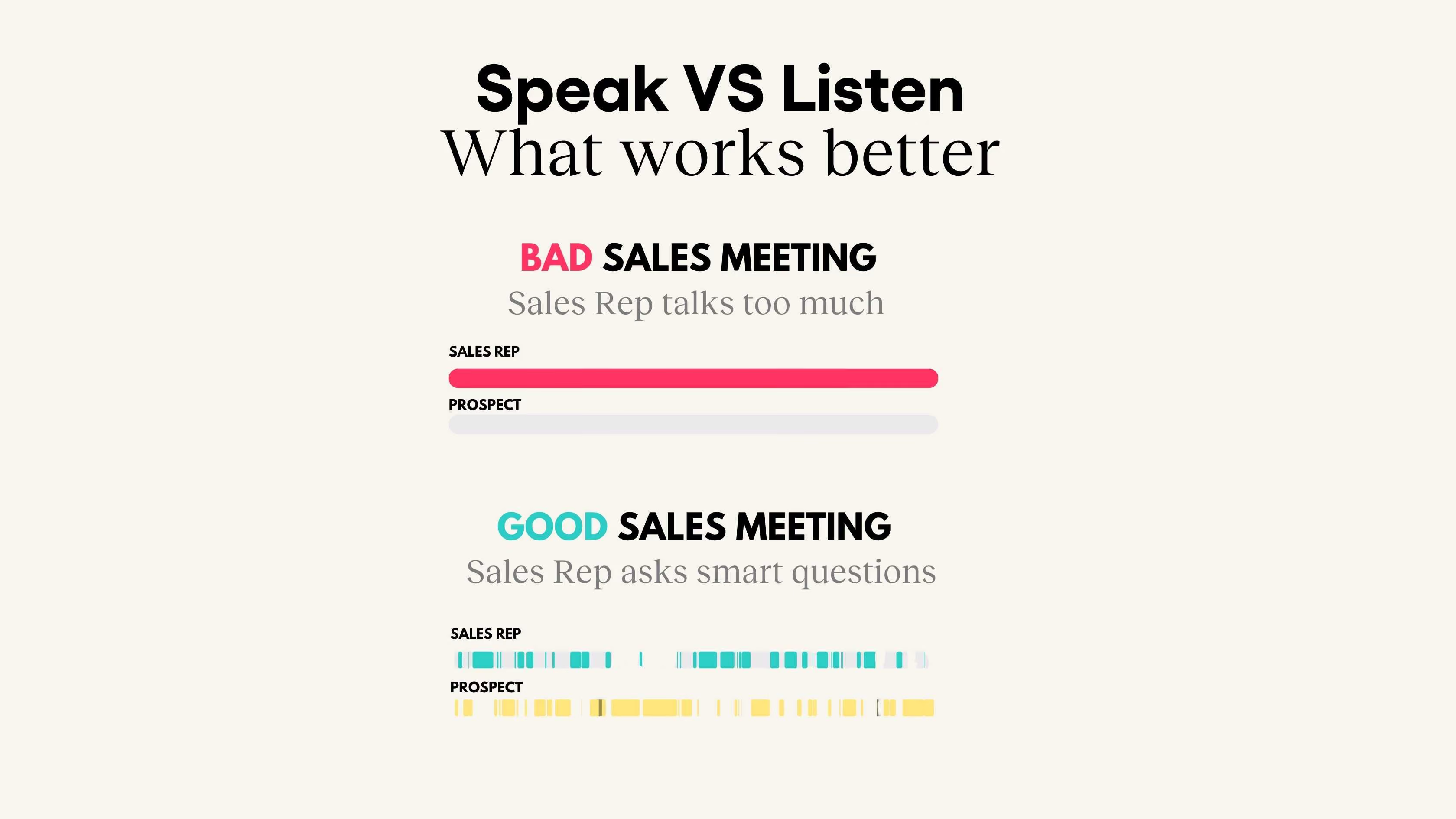
Humor eases tension in a conversation. This sounds trivial, but it has concrete consequences: buyers talk more openly when they feel they are dealing with a real person rather than a script. Conversations become more human, and human conversations build more trust than perfectly structured pitches.
This is especially true in early phases. During initial contact and discovery calls, the goal isn't to minimize risk yet. It's about establishing a foundation. Humor isn't a trick here, but a signal: I am approachable, I am listening, and I don't need to put up a front.
The data: When humor works and when professionalism wins
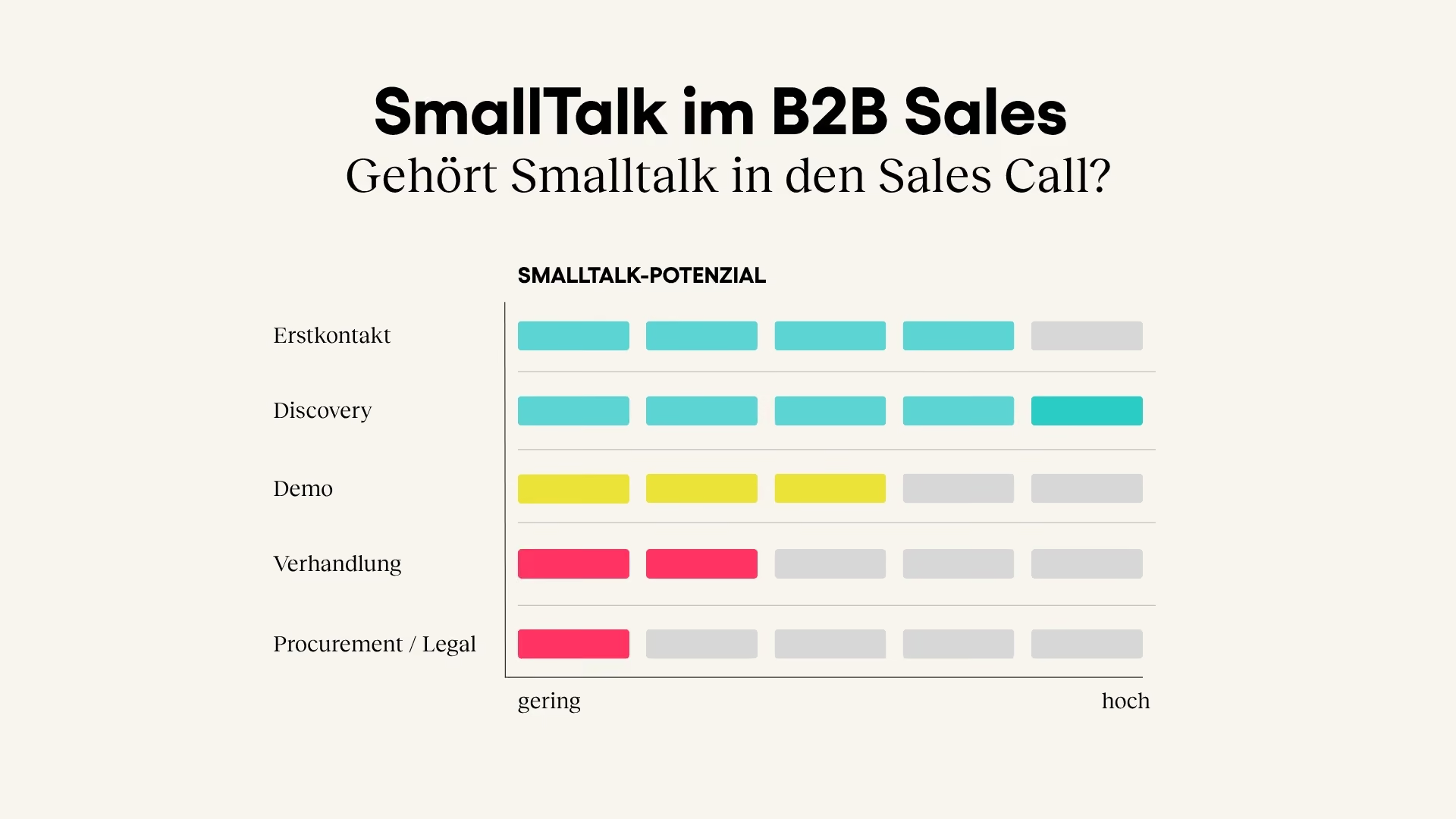
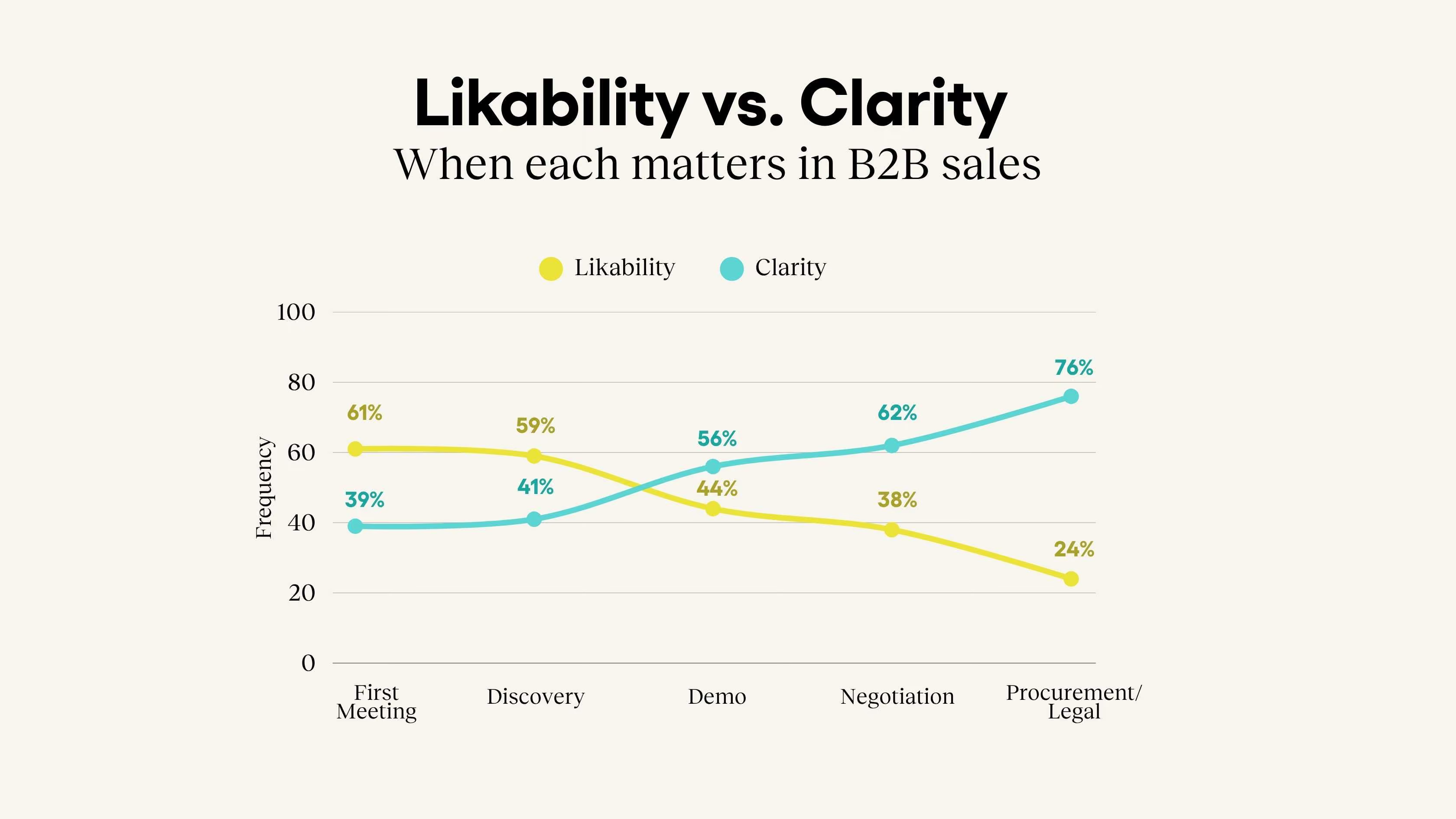
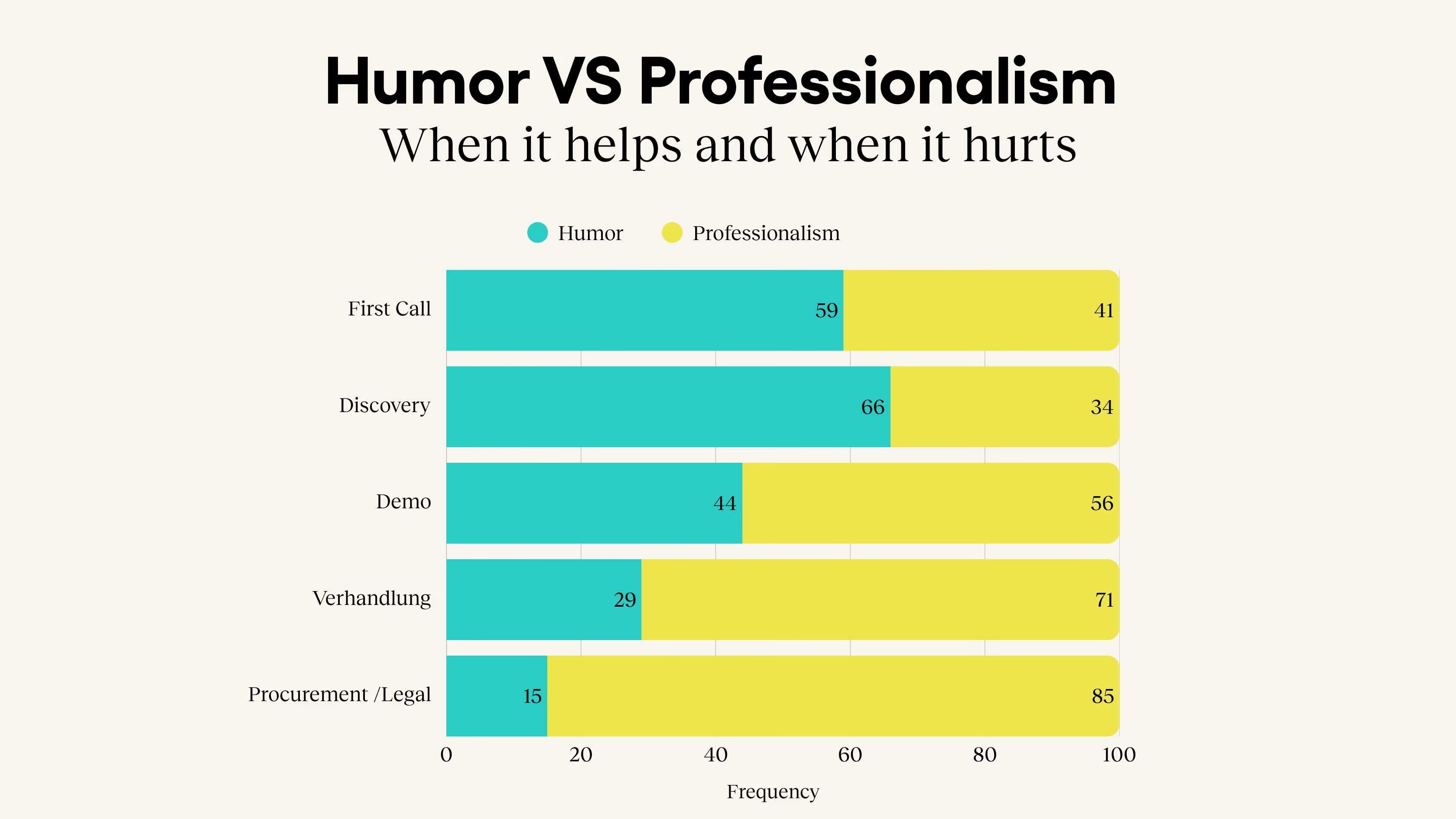
The analysis shows a clear pattern across sales phases. In initial contact, humor prevails 59 to 41. In discovery calls, the lead is even clearer: 66 to 34. Once the demo begins, the ratio flips. Professionalism leads 56 to 44. In negotiations, the gap widens: 71 to 29. And in procurement and legal discussions, professionalism dominates at 85 to 15.

The pattern follows a simple logic. The more risk involved, the less room there is for humor. CFO meetings, security reviews, price negotiations: the winner there isn't the funniest salesperson, but the clearest one.
Timing beats personality
It’s not about whether someone is naturally humorous or serious. It’s about knowing which tone to strike at the right moment. Discovery can be human. Demos can be personable. Negotiations must be clear. Procurement must be precise.
Those who master timing don't have to choose between being likable and being credible. Both qualities have their place, just not at the same time or in every phase. A salesperson who is relaxed during a discovery call but precise in a CFO briefing appears more competent than someone who uses the same tone in both situations.
What this means for daily sales practice
The consequence is not a matter of style, but of preparation. Before every call, it’s worth making a quick assessment: Is today about building rapport or mitigating risk? Is the buyer still building trust, or are they currently evaluating the consequences of a purchase decision?
Existing customers and buyers who communicate in a relaxed manner themselves are often a sign that humor is still appropriate. As soon as legal or procurement enters the picture, it’s a clear signal to switch to a precise mode. Don't change your personality, just adjust your tone.
Ultimately, humor is neither a free pass nor a risk in itself. It is a tool with a specific area of application. Timing is everything.




Your sales team deserves clarity instead of guessing games
With our AI revenue intelligence platform, we help innovative sales teams make better decisions and close more deals.
More insights from the Research Hub
Latest benchmarks and studies for data-driven revenue teams.